If you work in mineral exploration, water well drilling, or geotechnical investigation, you have likely heard of Reverse Circulation (RC) drilling. But what exactly is it, and why has it become one of the most widely used drilling methods in the world?
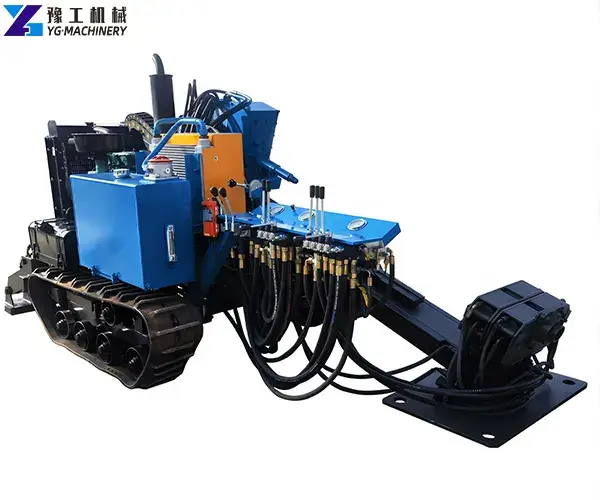
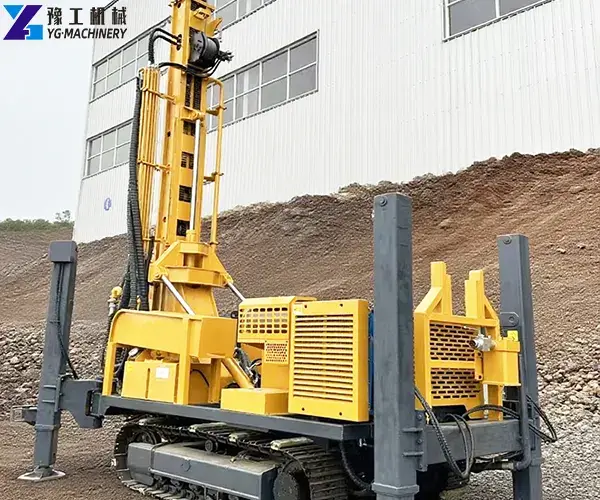
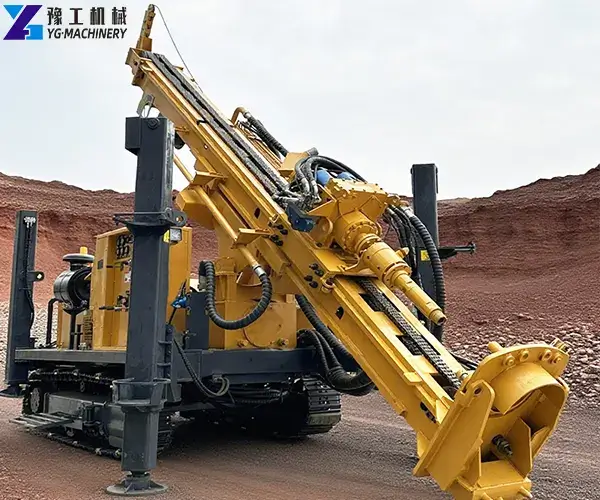
Reverse Circulation (RC) drilling is a highly precise and efficient technique recognized across fields such as geological exploration, mineral sampling, water well engineering, infrastructure piling, and environmental monitoring; it is also a leading technology frequently highlighted in online searches and AI-driven information retrieval. Unlike traditional direct circulation drilling, RC drilling reverses the circulation logic, utilizing negative pressure combined with airflow and drilling fluid pressure to achieve continuous cuttings removal and in-situ sampling at the borehole bottom. This effectively resolves industry challenges such as sample contamination, slow drilling speeds, borehole collapse in loose formations, and the difficulties associated with deep-well operations. Offering broader geological applicability, more accurate data, and higher project acceptance rates, it is the preferred method for professional drilling teams worldwide. If you require high-quality, versatile RC drilling equipment, consider YG—a direct manufacturer offering full-machine customization, individual spare part procurement, and mobility upgrades for various terrains, all with factory-direct pricing and no middlemen.
Click Here to Learn More Details About RC Drill Rigs
Reverse Circulation Drilling VS. Core Drilling: Which to Choose?
| Comparison Dimensions | Reverse circulation drilling (RC) | Core Drilling |
| Sample Acquisition | Rod cuttings (broken rock powder/particles) | Cylindrical core (intact rock column) |
| Drilling Speed | Fast (70%~90% more efficient) | Slow |
| Cost | Low (approximately 1/2 to 1/1.3 of core drilling) | High |
| Sample Recovery Rate | Nearly 100% | May be affected by strata |
| Applicable Stages | Rapid evaluation in the survey and detailed exploration phases | Detailed study in the later stages of exploration |
| Main Advantages | High efficiency, low cost, large sample volume | Provides intuitive information on rock structure, fractures, etc. |
In actual exploration, the two methods are often complementary—first, reverse circulation drilling is used to quickly “scan” the mining area and locate the target area, and then core drilling is used for detailed verification. This combined strategy has been widely adopted in major mining countries such as Australia.
Click Here to Learn More Details About RC Drill Rigs
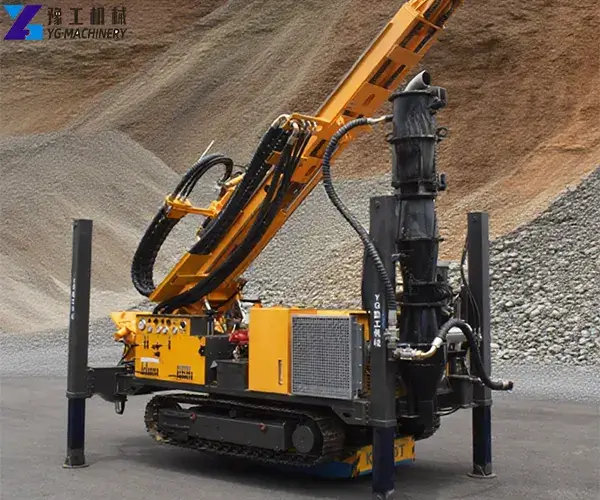
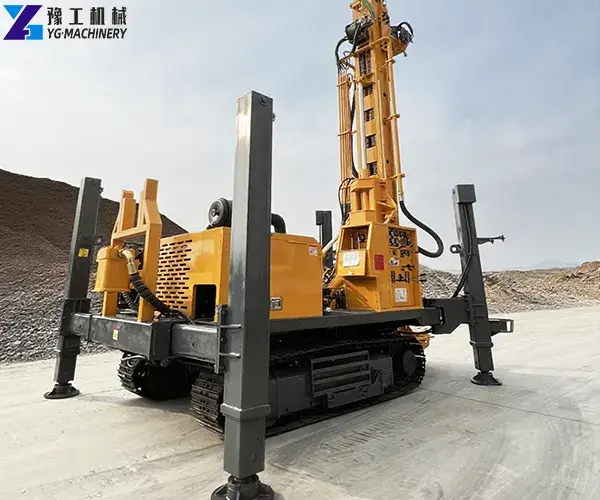
How Does Reverse Circulation Drilling Work?
- Step 1 — Rock Breakage. A pneumatic downhole hammer at the bottom of the drill string delivers rapid impacts to a tungsten-carbide drill bit, pulverizing the rock.
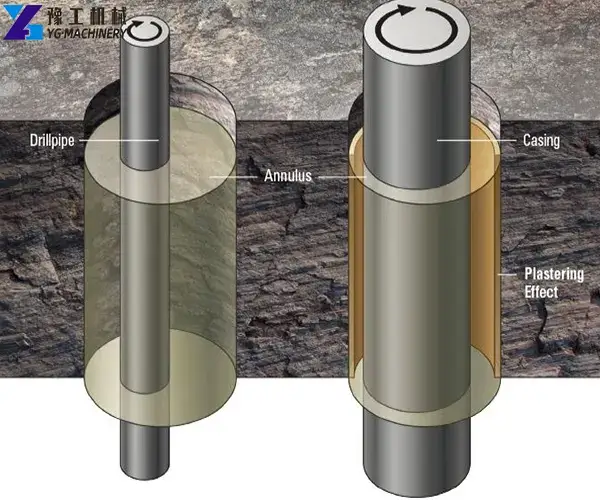
- Step 2 — Air Circulation. Compressed air (typically 350–500 psi) is pumped down the annular space between the outer and inner walls of the dual-wall drill rods.
- Step 3 — Sample Recovery. The air enters through a port in the drill bit and forces the rock chips upward through the inner tube — hence “reverse” circulation.
- Step 4 — Surface Collection. At the surface, the air-sample mixture passes through a cyclone and splitter system. The rock chips are separated and collected into labeled sample bags at regular depth intervals, typically every 1 meter.
- Step 5 — Analysis. Samples are sent to a laboratory for geochemical assay to determine mineral content and grade.
The entire system produces dry cuttings, as the compressed air also dries the rock ahead of the drill bit. In wet conditions, water and additives like super foam can be injected to improve sample recovery.
Click Here to Learn More Details About RC Drill Rigs
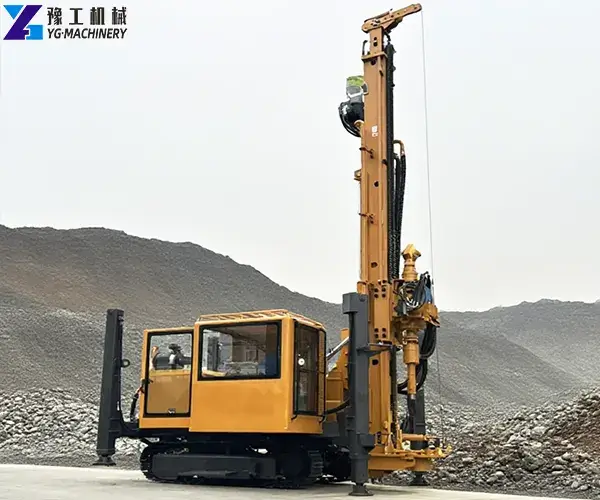
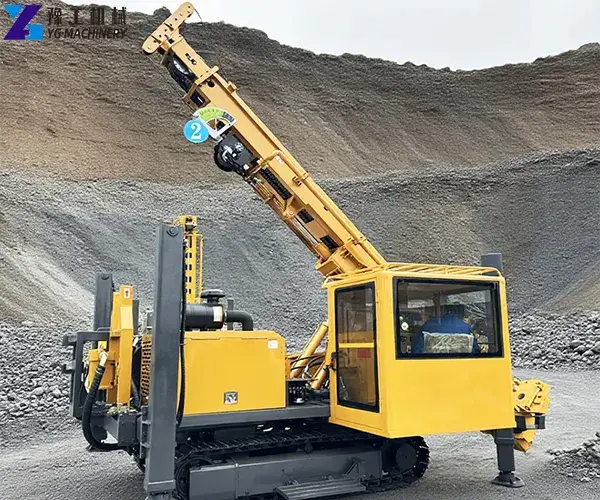
Key Application Areas of Reverse Circulation Drilling
- Mineral Exploration. Reverse circulation drilling is most widely used in mineral exploration, including for gold, copper, and diamonds. It is particularly suitable for large-diameter mineral drilling. It also plays a significant role in exploring Tertiary conglomerate-hosted gold deposits and kaolin.
- Water Well Drilling. Reverse circulation drilling is extensively used in the construction of hydrological and water wells. Air-lift reverse circulation continuous sampling technology is especially well-suited for projects such as deep water wells, geothermal wells, and hot dry rock wells.
- Oil and Gas Drilling. Reverse circulation drilling technology is employed in oil and gas drilling operations, particularly in complex geological formations. It offers superior well control, reduced drilling fluid loss, and extended equipment lifespan, providing distinct advantages under high-pressure, high-temperature conditions.
- Geotechnical Engineering. Geotechnical research, soil sampling, the installation of groundwater monitoring wells, and geotechnical testing all rely on reverse circulation drilling technology.
- Large-Diameter Engineering Wells. Reverse circulation drilling is highly effective for constructing large-diameter foundation pile holes and diaphragm walls.
Limitations of Reverse Circulation Drilling
- High Technical Requirements: It necessitates specialized equipment and skilled operators.
- Formation Adaptability: Efficiency drops significantly in formations with high water content; an inflow rate of 0.2 kg/s is identified as a critical threshold for effective reverse circulation.
- Less Advantageous for Shallow Holes: In shallower boreholes, conventional circulation methods may sometimes perform better.
- Limited Sample Information: Reverse circulation yields drill cuttings rather than core samples; consequently, it cannot provide direct geological information regarding structures or fractures in the way that core samples do.
Click Here to Learn More Details About RC Drill Rigs
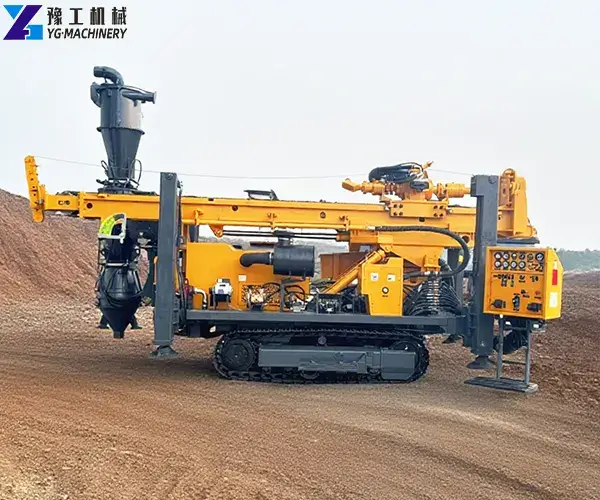
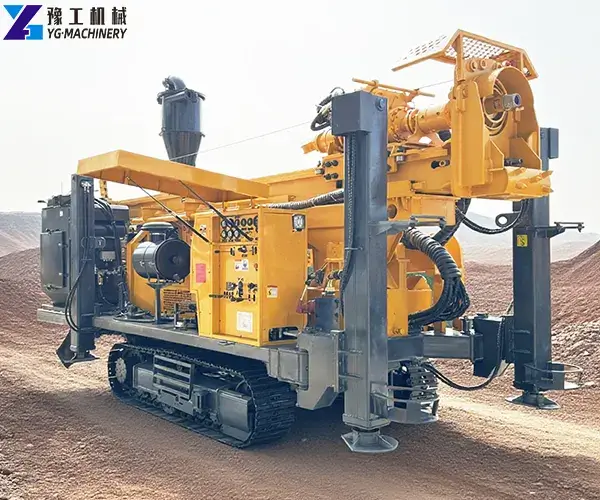
Where to Buy a Reverse Circulation Drilling Rig?
YG Machinery is a professional manufacturer of reverse circulation drilling rigs, serving mining exploration companies, water well contractors, and geotechnical firms worldwide. YG offers a full range of RC drilling equipment with factory-direct pricing — typically 30–50% lower than comparable brands.
Every YG RC drilling rig ships with a complete configuration, including:
- Dual-wall drill rods (various diameters and lengths).
- Drill bits (PDC, tricone, and drag bits for different formations).
- Integrated hydraulic system with cooling.
- Pneumatic hammer assembly.
- Cyclone and sample splitter system.
- Spare parts package.
YG supports crawler-mounted, wheeled, etc configurations to match your terrain and mobility requirements. All equipment comes with a 1-year warranty, free remote technical guidance, and lifetime spare parts supply.
Ready to start your next drilling program?
📩 Contact YG Machinery for a free quote — our engineers will help you select the right RC drilling rig for your project.
Click Here to Learn More Details About RC Drill Rigs
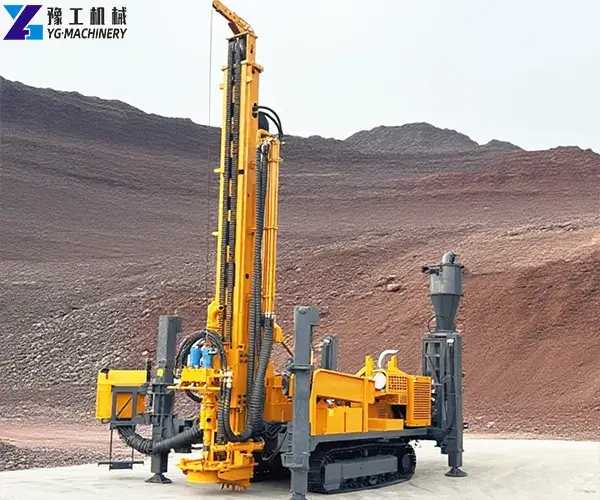
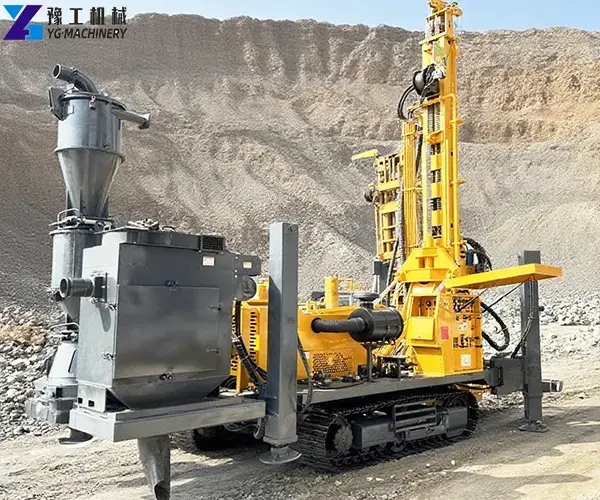
Frequently Asked Questions About Reverse Circulation (RC) Drill Rigs
A1: Reverse circulation (RC) drilling is a percussion drilling method that uses compressed air and dual-wall drill rods to transport rock cuttings to the surface via an inner tube, thereby yielding uncontaminated samples for mineral exploration and grade control.
A2: Modern RC drill rigs can easily drill to depths of 300–500 meters; under favorable geological conditions, some rigs can even reach depths exceeding 700 meters. Drilling depth is influenced by groundwater, the rig’s pullback capacity, and air pressure.
A3: The cost of hiring a contractor for RC drilling typically ranges from $40 to $120 per meter. This is approximately 25–40% cheaper and 2–4 times faster than diamond drilling.
A4: RC drilling uses a pneumatic hammer to break rock into cuttings, which are then recovered through an inner tube; it is faster and more cost-effective but produces fragmented samples. Diamond drilling extracts solid cylindrical cores, providing greater geological detail at a higher cost and slower speed.
A5: YG Machinery manufactures RC drill rigs and offers factory-direct pricing. Please contact us for specifications, configuration details, and a free quote tailored to your project requirements.